

When context changes everything (and when it doesn't)
What PhotoTalk conversations reveal about how we see photographs

Next to Darkrooms I also run PhotoTalk. No essays, no interviews, just photographs being discussed. Photographers submit work, others respond, everyone learns.
I deliberately keep this separate from Darkrooms because I don’t want to email you twice a week, though the conversations that emerge there fit perfectly with what I write about on Darkrooms.
What strikes me most is how different these conversations are. Not just between photographs, but especially between the different ways of looking. I have three recent examples to illustrate this. Below each example you’ll find a link to the article so you can read all the comments (and perhaps add your own as well).
Example 1
When context steers what you see
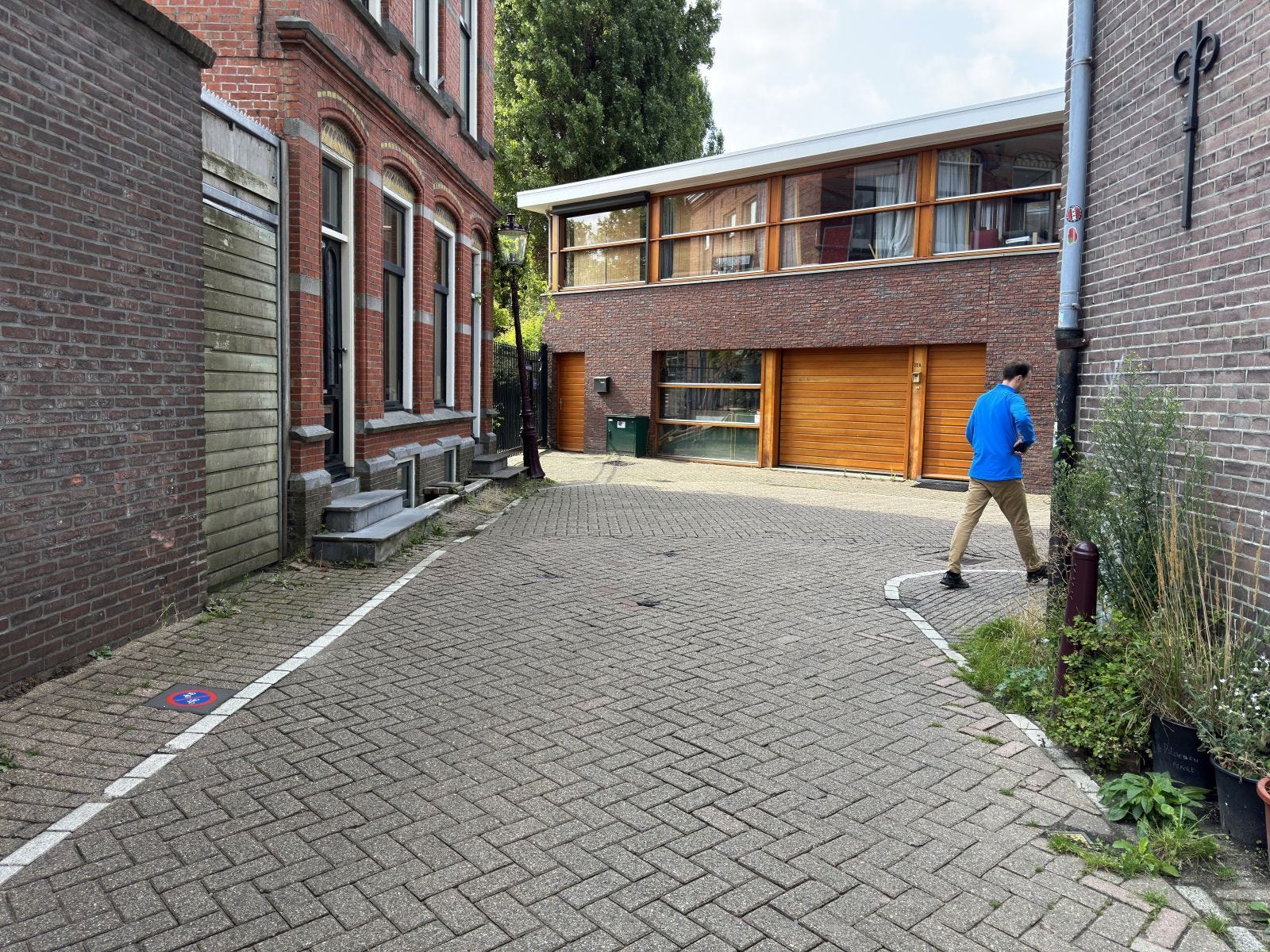
PhotoTalk #22: a photographer submits a topographic photograph. Brown geometry of brick buildings, a small blue figure walking out of frame. His starting point: “A photograph should be able to stand on its own, without explanation.”
But while uploading, he thinks he’s required to choose a poll (which is optional). He selects “How clearly does this image tell its story?” because that seems the least inappropriate option. That one question steers all the comments in a direction he never intended.
Photographers search for a story that isn’t there. They find it frustrating. Others invent one: the man is putting away his mobile, he’s going to a meeting. Still others see too much empty space, no connection between elements, a composition that doesn’t work.
Until someone breaks through what’s happening: “The composition is the story in this image. Asking us to think about what the story behind it might be does the photo a disservice and distracts us from its best qualities.”
The photographer wanted to show: geometry, colour, form. The poll asked for a story. Suddenly everyone is looking for narrative elements that don’t exist and judging the photograph on something that was never the intention.
Read all comments at PhotoTalk #22 - Kees Molders
Example 2
When context creates space
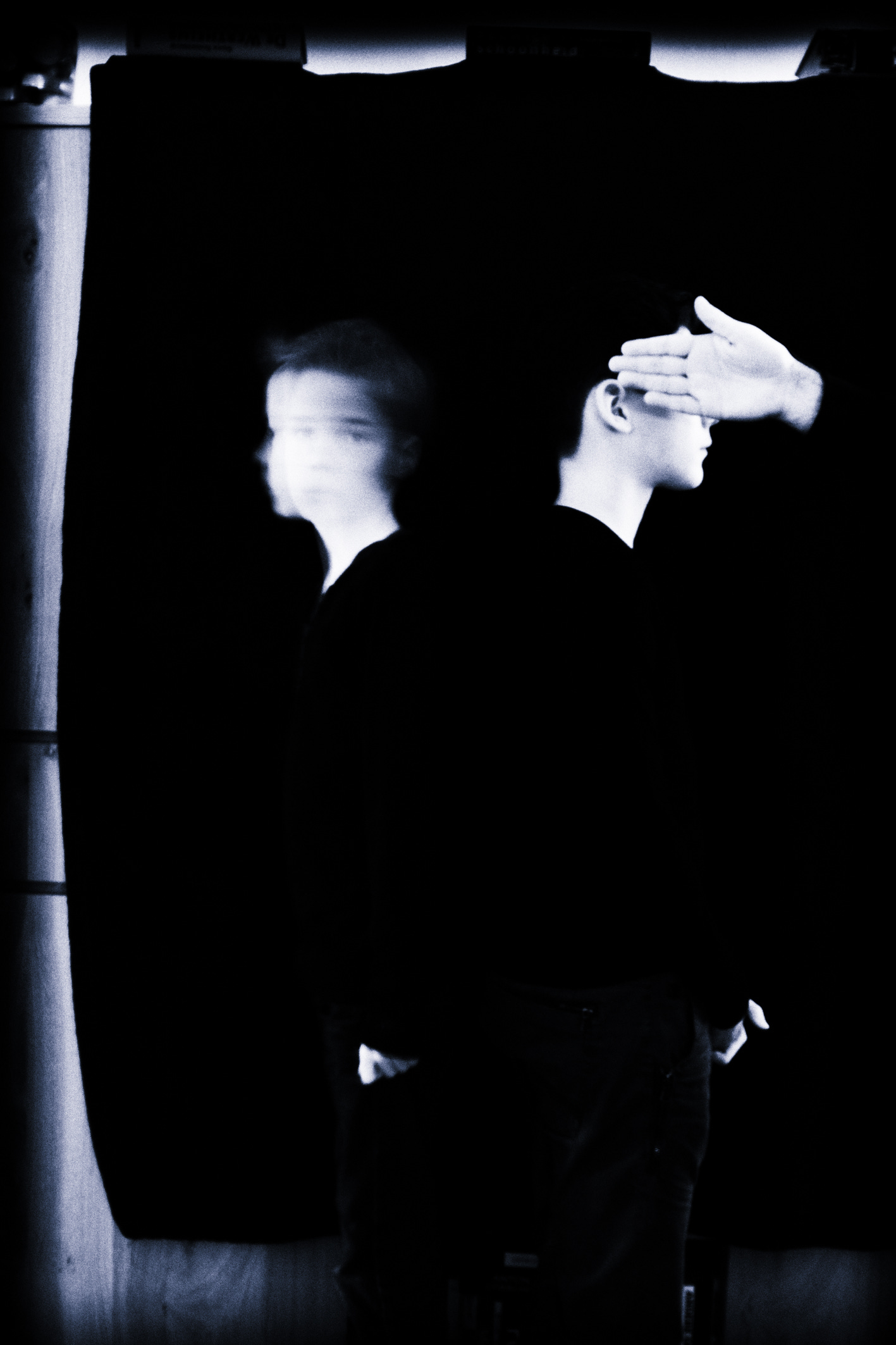
PhotoTalk #20: I submitted a photograph myself. Two boys, motion blur, a hand (my hand) covering a face. I wrote an artist statement alongside it: this is a protest against the endless sharing of our lives and those of our children on social media. The visible edges of the black cloth are deliberate, to show there’s more than the perfect picture parents post online.
What happens? Some read my statement, others don’t. Doesn’t matter.
“Two sides of the same coin.” “Personality duality, Gemini twin.” “Younger self/older self.” “Abstract Impressionism meets surrealism, the floating hand has a real feel of Dali about it.”
Someone says: “I would not have read it as you described, but I don’t think that matters.” Another who didn’t read my statement arrives at similar themes: protection, identity, two worlds.
Here context works differently. Not as coercion (like the poll) but as an offer. You can look with it or past it. Both lead to valuable observations. The same photograph, multiple people, as many interpretations. All valid.
Read all comments at PhotoTalk #20 - Marcel Borgstijn
Example 3
When the conversation goes beyond the photograph
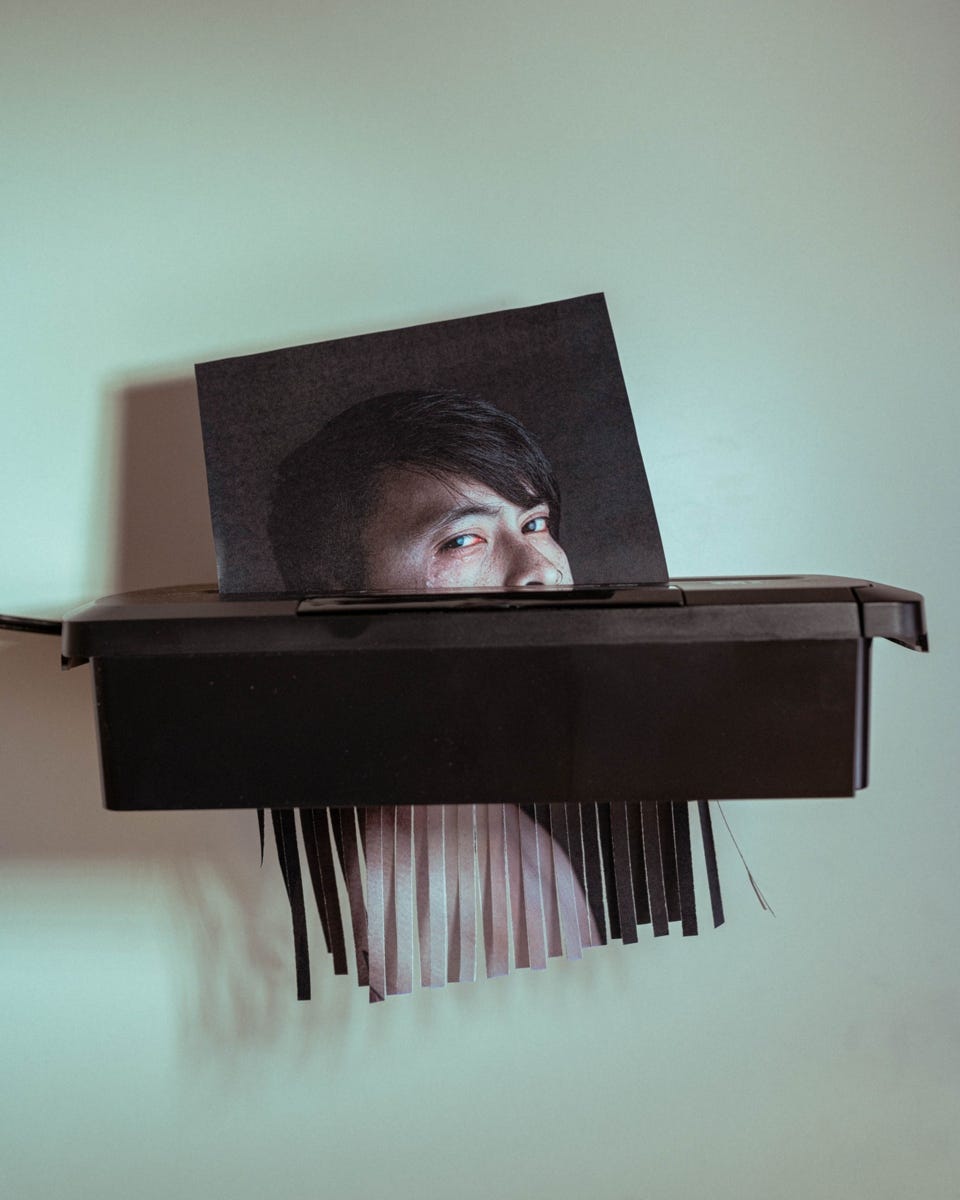
PhotoTalk 12: a self-portrait going through a shredder. The photographer explains: this is about self-acceptance, about stopping seeking validation from others. Those are real tears.
Then something different happens. A commenter states: “Photographs can’t tell stories. At best they can pinpoint a moment and suggest a before and after which remains elusive.”
The conversation pivots. Others respond, nuance, deepen. “Photographs are participatory storytellers. They require viewers to complete the narrative.” Another response: “Can a leaf tell a story or do we imagine what the leaf has experienced when we look at it?”
The photographers don’t reach agreement. That’s not the point either. The point is that one photograph triggers a fundamental conversation about what photography can actually do. About the relationship between image and meaning. About where stories live: in the photograph or in our heads.
Meanwhile, someone else simply looks at the photograph and says: “I see someone in pain. Their eyes really capture my gaze. The way his face remains above the shredder makes me feel as though he is drowning.”
Read all the comments at PhotoTalk #12 - Dustin-David Chu
Why this matters
These are three facets of the same point about how we look at photography. Context can coerce (the poll), invite (the statement), or open up a larger conversation about what photography is and does.
No algorithm gives you this. No Instagram comments go this deep. These are conversations between people who think about what they see, why they see it, what it means that they see it, and whether what they see actually resides in the photograph or in their heads.
PhotoTalk is a weekly exercise in looking. The setup is simple. Someone submits work, others respond, everyone learns. The archive is filled with these kinds of discussions. If you’ve ever thought “I want feedback that goes beyond thumbs up,” submit your photo and join the conversation:
Discover your city through Urban Exploring
What happens when you let randomness guide your photography? Photographers worldwide are using RBNXPLRNG to see their cities differently - 5 photos, random turns, fresh perspectives. Try it yourself.
Till next week,
Love visual storytelling? Support Darkrooms. Your support directly fuels the creation of more photography content you love.
📸 Get me a roll of film
I love Photo Talk but I hate when I can’t get to a computer to view the photos. Looking at them on my phone never does the images justice. The photos deserve time & study so when I can’t devote myself to it I pass on commenting. I also find myself compelled to read the artist statement searching for context when I know I shouldn’t LOL but the series is great.
.. trees fallen in virtual forests .. much ado .. until tomorrow eh .. more ado .. ? 🪵🐿️