

Some photographs take years to develop
On keeping the images you do not yet understand

The photograph you weren’t ready for yet
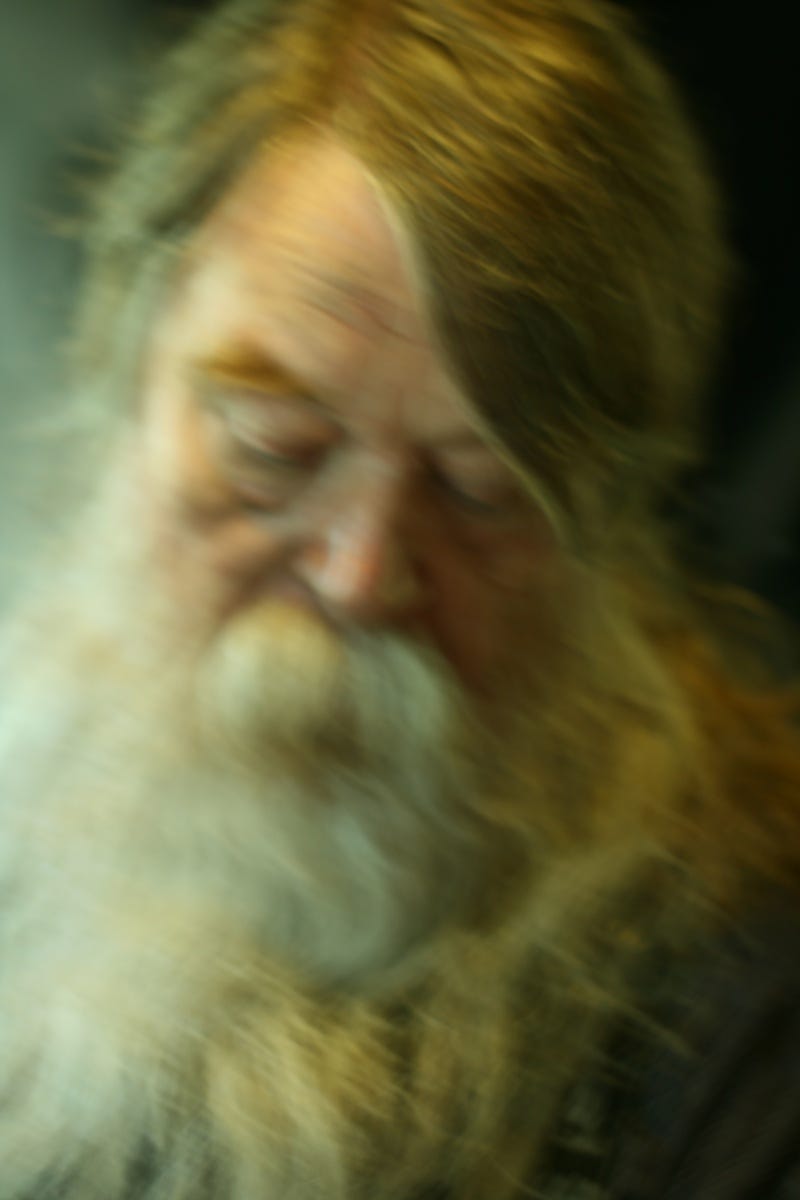
There is a photograph in my living room that I almost deleted. The exposure was completely off, my camera was still set for outdoor light, but I wanted to catch the moment anyway. When I first saw it on my screen, I had already moved on and taken some new shots with the correct settings. That was twenty years ago. To this day it remains one of my favourite prints.
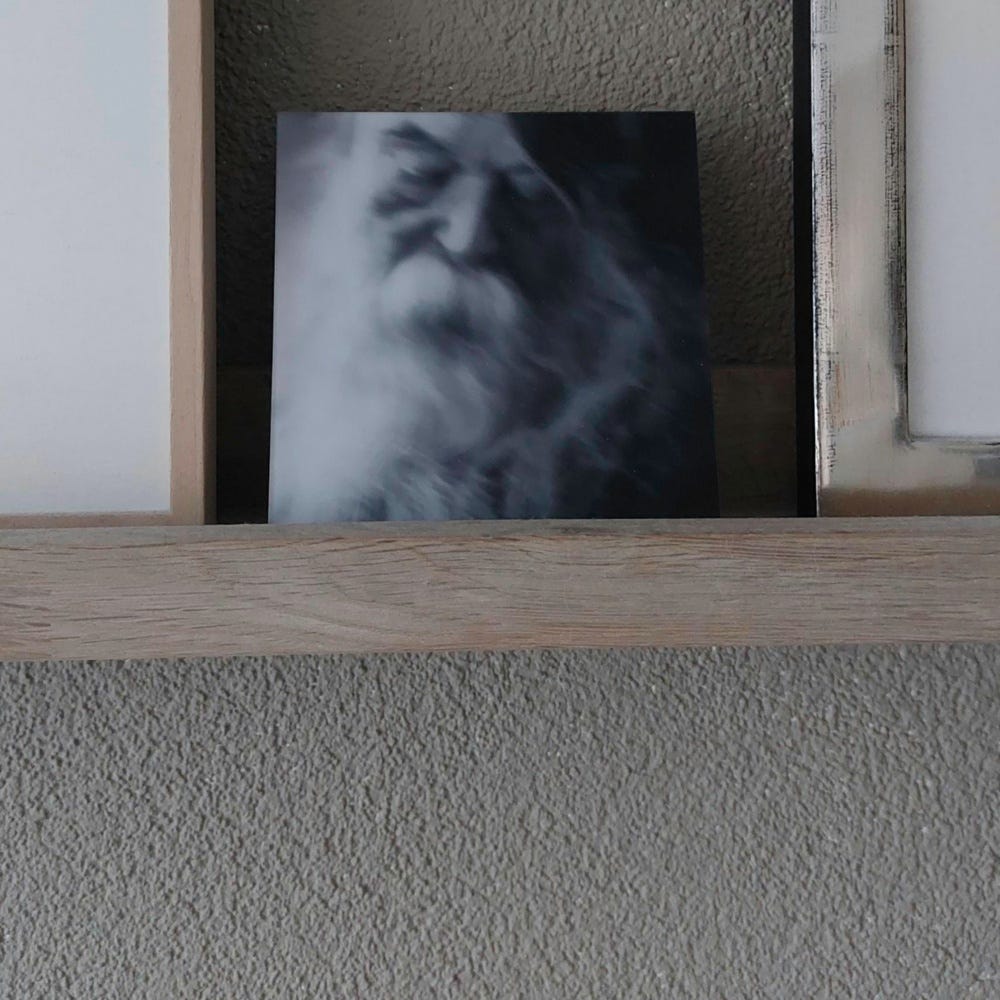
The photograph itself had not changed.
What failure actually is
We use the word failure too easily. A photograph is rarely objectively bad. What we usually mean is: this is not what I had in mind. That is something entirely different from failure.
Technical errors are real. A missed focus point, unwanted motion blur, a horizon that tilts for no good reason. But beyond the technical, what we call failure is usually a gap between what we made and what we are capable of seeing at that moment. That gap closes over time. Sometimes quickly. Sometimes it takes years.
This is worth pausing on. The photograph does not change. You do.
My mentor taught me a valuable lesson
A mentor once told me something I have thought about regularly ever since. When I showed him a series of photographs I was uncertain about, he looked at the series and said: “If the viewer does not like your photo, they are not ready yet.”
I realised later that the same was true for me. Some of my own photographs I was simply not ready for myself.
That reframing changed how I look at my archive. It is not a collection of successes and failures. It is a record of where I was at a particular moment, and an open question about where I might be later.
More photographs I almost lost
Beyond the print on my wall, I have a handful of other examples. Images that sat unnoticed in folders for months, sometimes years, before something shifted.
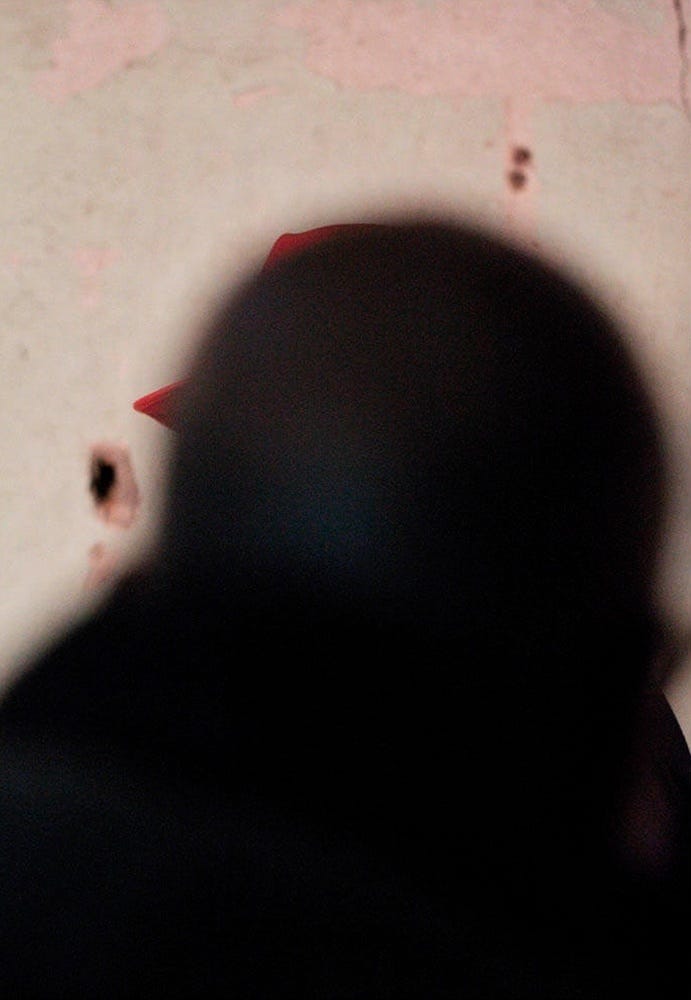
Each of those photos taught me the same lesson in a slightly different way. The image was finished. My reading of it was not.
Transparency as part of the practice
From my current mentorship I share unedited photographs, like this from the first session or the second. No selects, no finished work. The raw material, including the frames that may or may not work, or that I am still uncertain about myself.
I do this for two reasons. First, it shows the process as it actually is, which is rarely neat or linear. Second, it keeps me honest. When you show your uncertainty alongside your confidence, you stay closer to the truth of how photography actually works.
That honesty also creates space for you as a photographer to bring your own uncertainty, without feeling like you are failing at something others find straightforward.
What your archive is actually for
Most photographers treat their archive as storage. What made the cut moves forward. Everything else gets deleted or sits forgotten on a drive.
I think about it very differently. My archive is an ongoing conversation with an earlier version of myself. Returning to it regularly is not nostalgia. It is practice. I look at old work with new eyes, and sometimes something surfaces that could never have surfaced at the moment I made it.
Keep everything. Organise it well enough to find things again. Return to it once or twice a year, with no agenda other than looking and experiencing.
The photograph you will understand later
Somewhere in your archive there is an image you dismissed too quickly. You may have a technical reason why it does not work. That reason may well be correct. But it may also be that you simply are not ready for it yet.
Go back to it. Bring different eyes. The photograph has been waiting.
Question for you:
Which photograph do you have sitting somewhere that you still do not fully understand? I would love to know
Till next week,
Love visual storytelling? Support Darkrooms. Your support directly fuels the creation of more photography content you love.
Digital photography is seen as "free" so many photographers "spray and pray". There's some merit in this if one is shooting sports or fast cars, etc. but I grew up with film and still shoot like there's 36 (or 12) on a roll. Seldom do I cull. That said, seldom do I revisit many of my old files - but I'm about to rescan literally hundreds of rolls of 35mm and 120 film, so I'm hoping I might find some wheat in the chaff.
Very relatable! I even used to delete some shots directly in the camera. I try not to do it anymore but sometimes the old reflex kicks in haha